How to Know When It’s Time to Replace Your Roof (Not Just Repair It)
Clear signs your roof may be costing you more than you realise — and how to decide when replacement is the smarter long-term move.
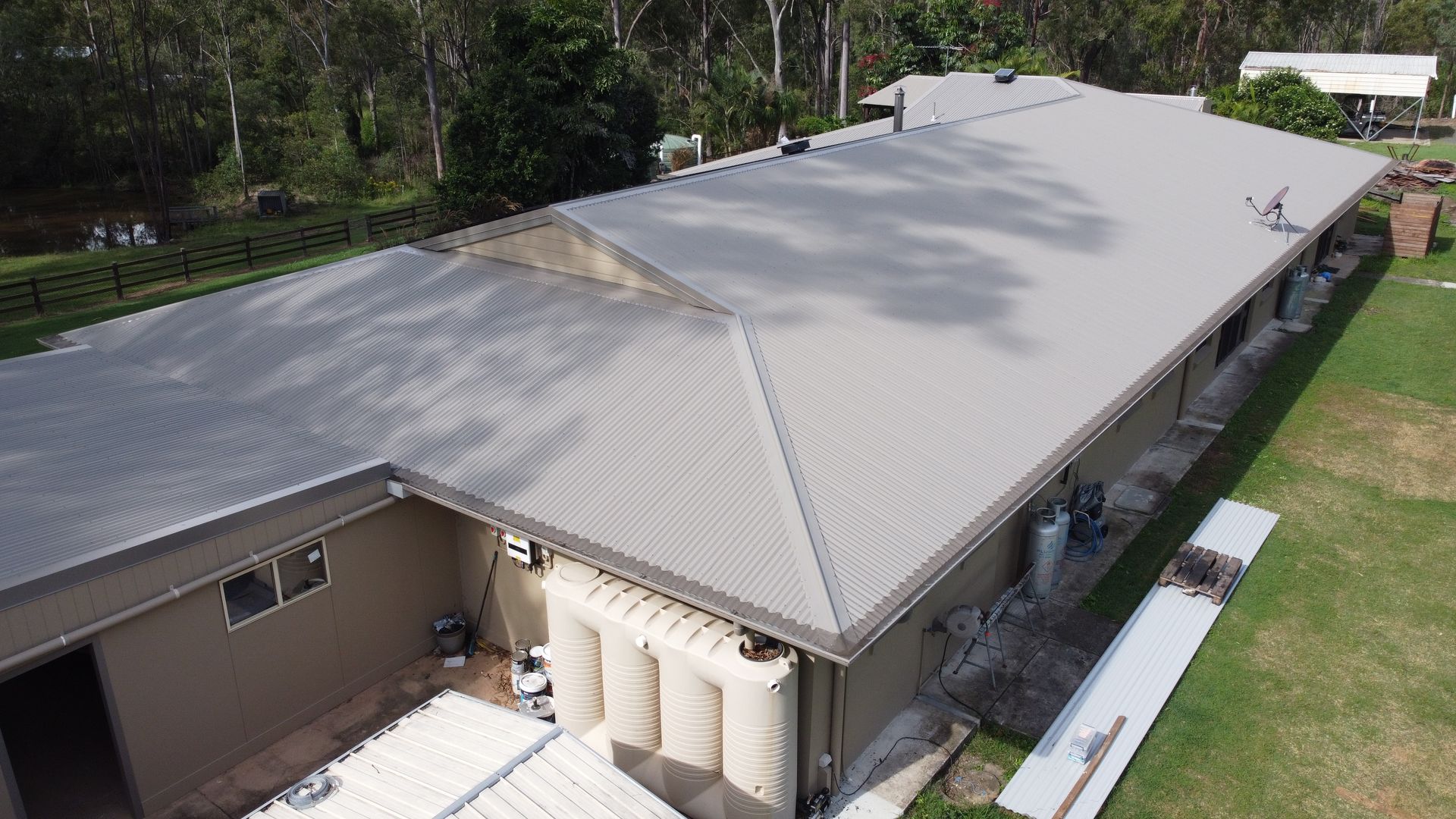
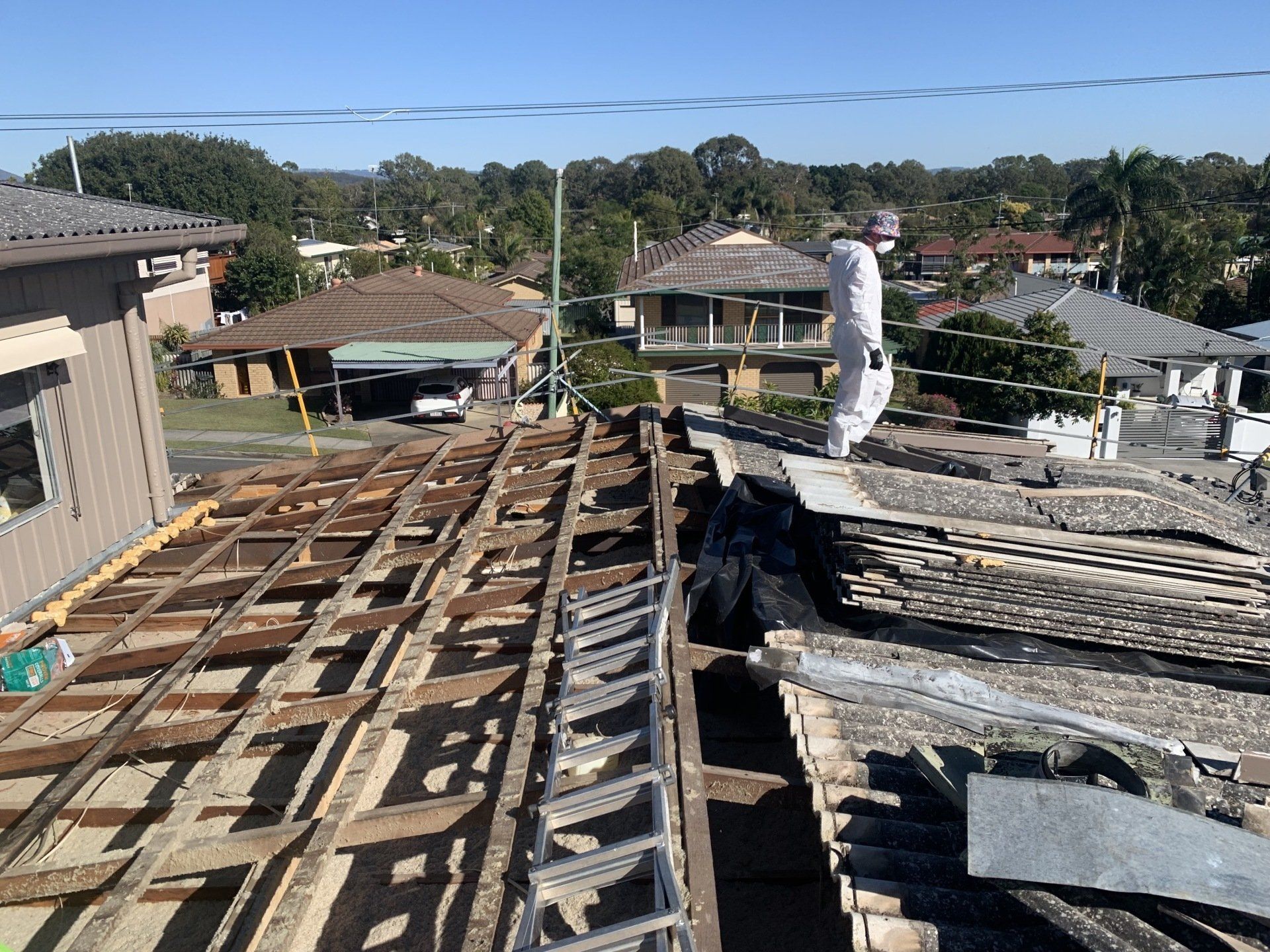
Many homeowners put off roof replacement because repairs seem cheaper in the short term. While minor repairs can be effective, there comes a point where replacing your roof is the smarter, safer, and more cost-effective option.
So how do you know when that time has come?
Common Signs Your Roof May Need Replacing
1. Ongoing leaks or recurring issues
If leaks keep returning after repairs, it often means the roofing system itself is at the end of its lifespan.
2. Rust, corrosion, or brittle materials
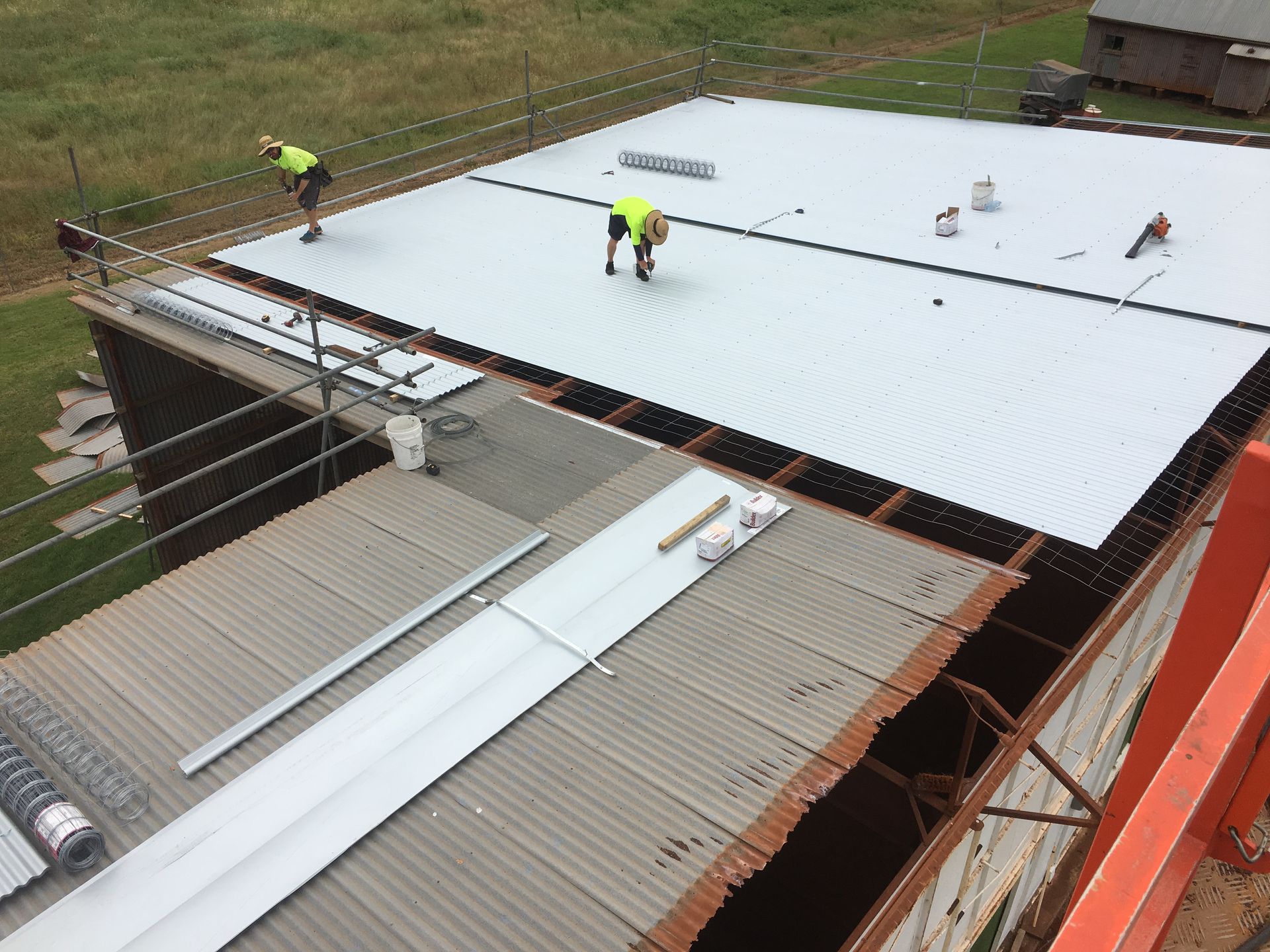
Metal roofs can last decades, but once rust spreads or fixings fail, patching becomes unreliable.
3. Visible sagging or structural movement
Any sagging is a serious warning sign and should be inspected immediately.
4. Your roof is over 20–30 years old
Older roofs may no longer meet current standards or suit modern insulation and flashing systems.
Repair vs Replacement: The Real Cost
Repeated repairs add up quickly. In many cases, homeowners spend thousands over a few years fixing issues that a roof replacement would have permanently solved.
A new roof also:
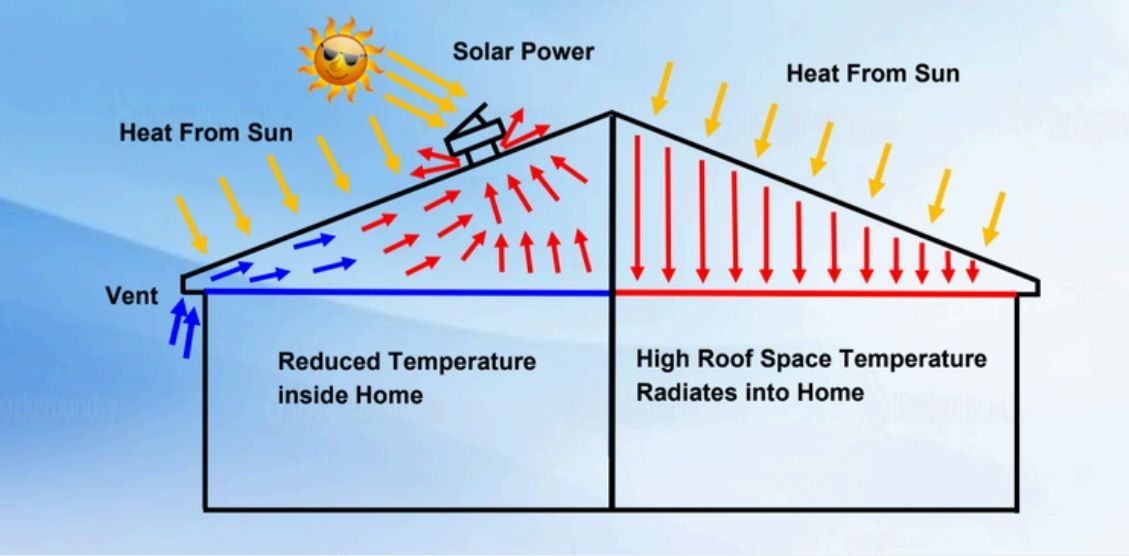
- Improves energy efficiency
- Increases property value
- Reduces maintenance costs
- Provides peace of mind during storms
-
Get the Right Advice
A professional inspection will tell you whether repairs are still viable or if replacement is the better long-term option.
If you’re unsure about your roof’s condition, getting expert advice early can save you money and stress down the track.