Why Roof Noise, Creaking, and Popping Happens (And When It’s Not Normal)
What those roof noises really mean, what’s considered normal, and when it’s time to have it checked properly.
If you’ve ever heard popping, creaking, or cracking noises coming from your roof — especially early in the morning or late in the evening — you’re not alone. Roof noise is one of the most common concerns homeowners raise, particularly with metal roofing.
Some noise is completely normal. Other types are a sign that something isn’t quite right.
Why roofs make noise in the first place
Most roof noise is caused by temperature change. As the sun heats the roof during the day, materials expand. As temperatures drop, they contract again.
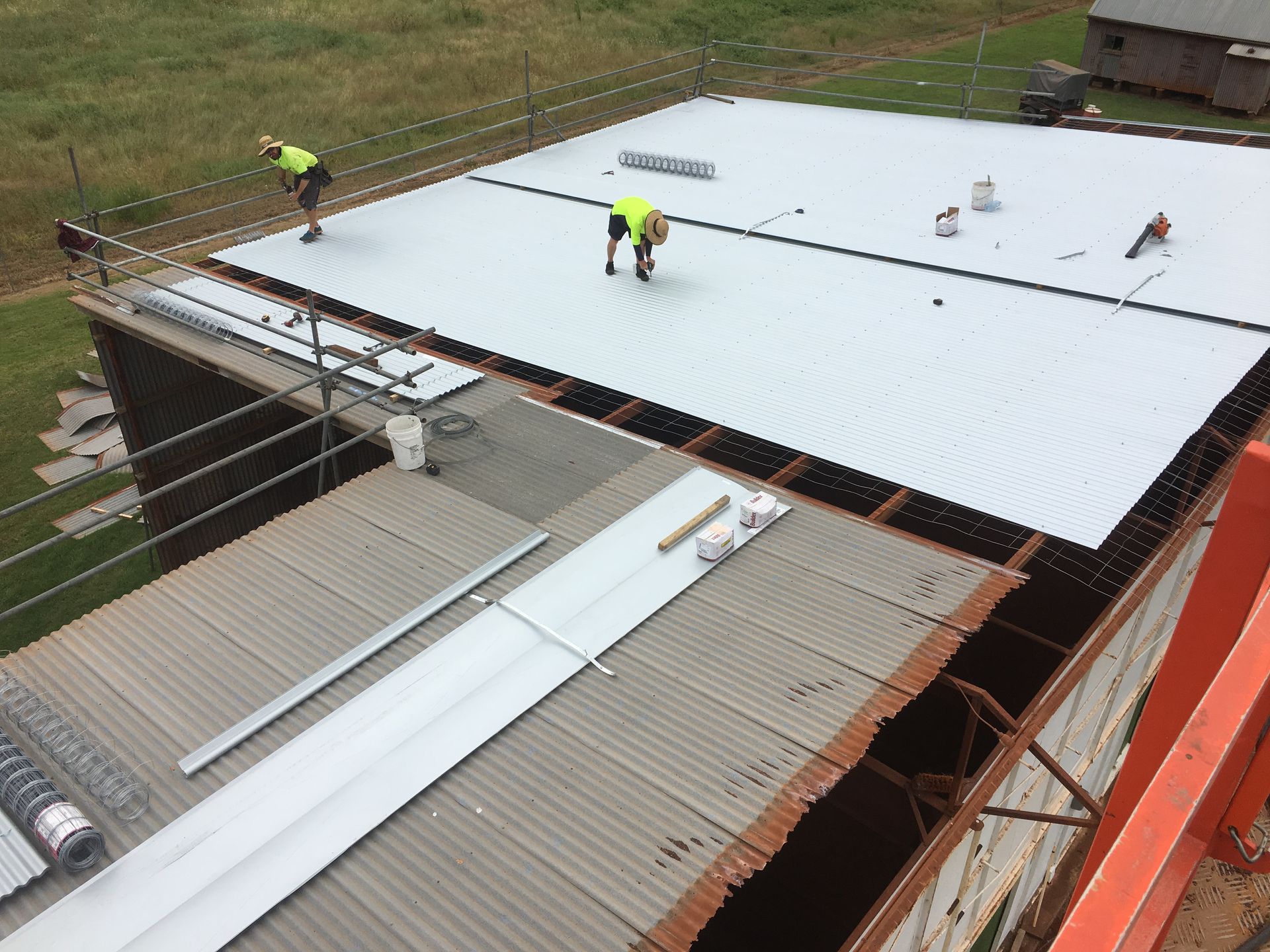
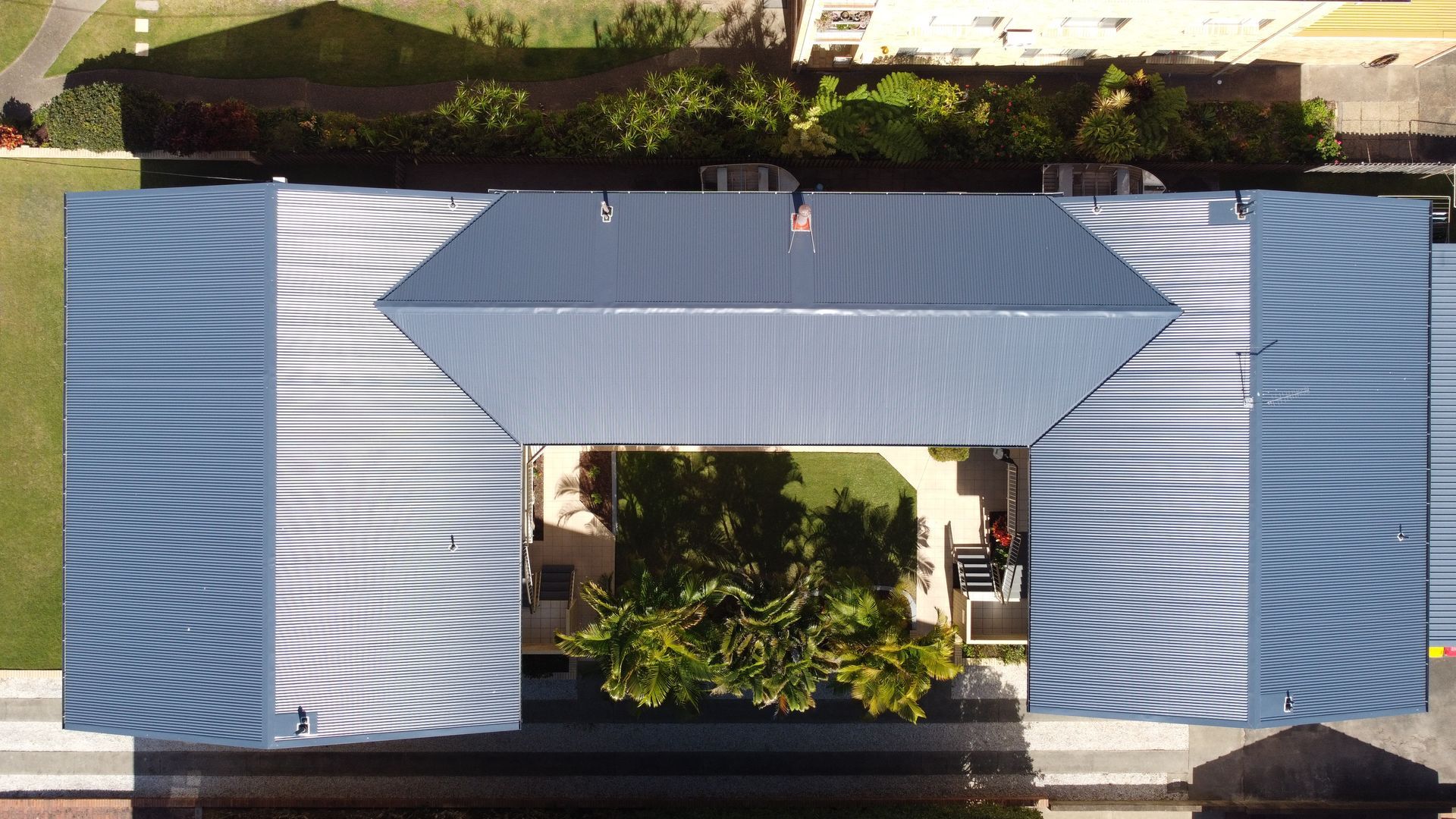
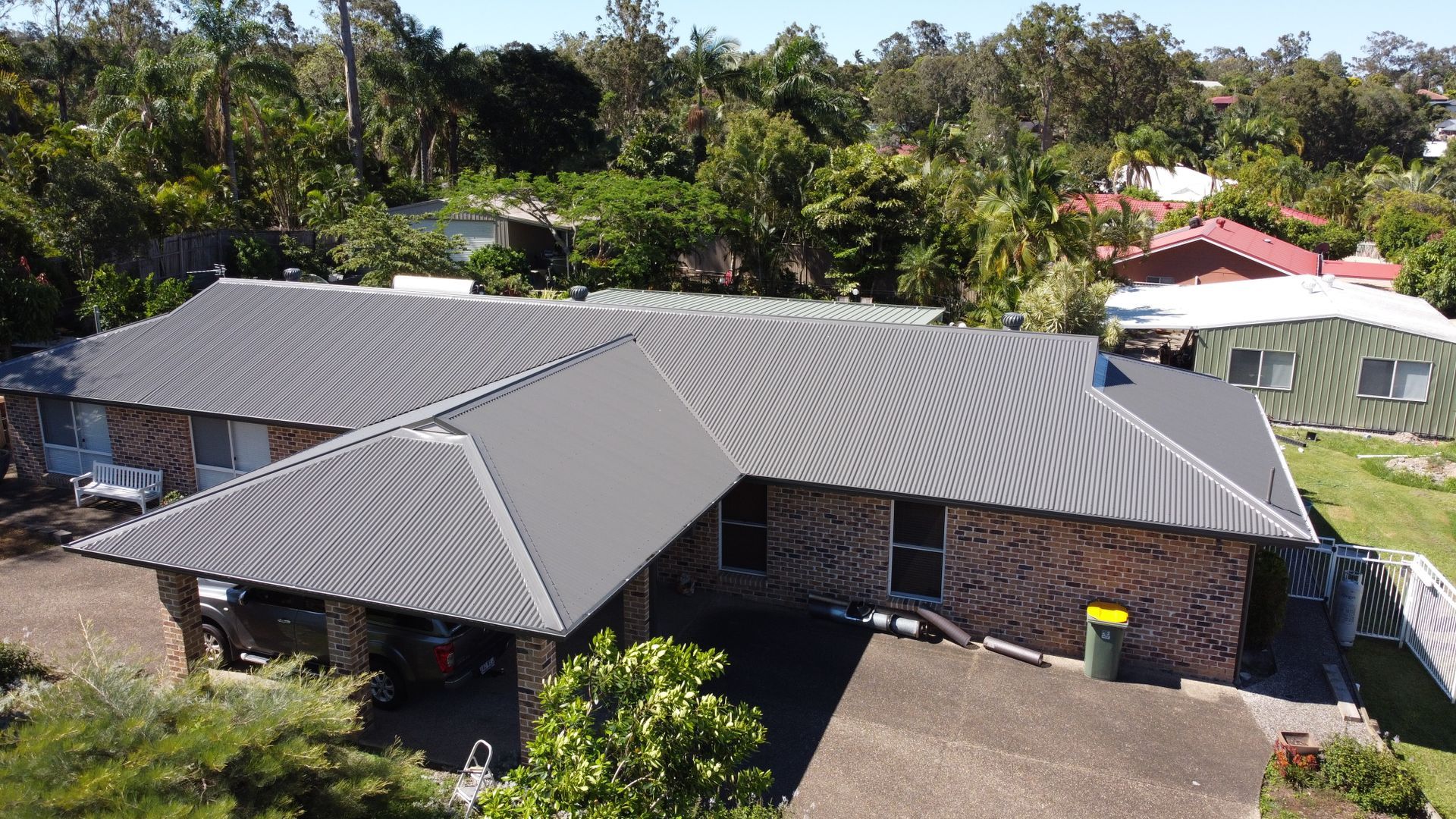
Metal roofing expands and contracts more noticeably than tile due to its length and flexibility. This movement can create sounds as sheets shift slightly, fasteners settle, or components move against each other.
Metal-on-metal structures can amplify noise
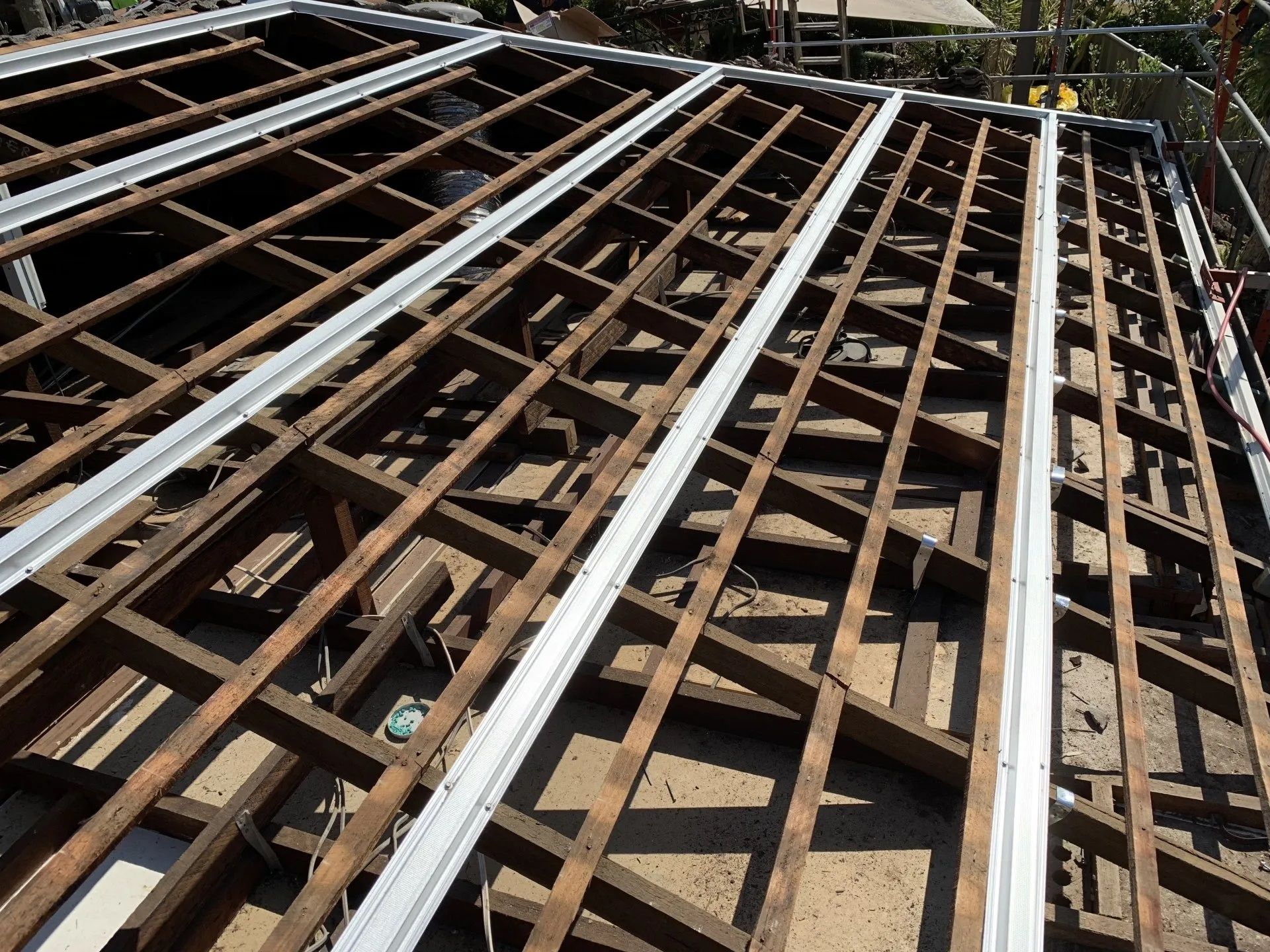
Homes built with steel framing or metal battens can experience more noticeable roof noise than timber-framed homes. This is because metal-on-metal contact transfers sound and vibration more efficiently.
In steel-framed homes, movement from the roof sheets can travel through the frame rather than being absorbed, making popping or creaking sounds more audible inside the house. This doesn’t mean something is wrong, but it does mean correct installation and detailing become even more important.
When roof noise is considered normal
Some level of noise is expected in well-installed roofs, particularly:
- On large roof spans
- With darker roof colours that absorb more heat
- In steel-framed homes
- During rapid temperature changes
Occasional ticking or light popping as the roof warms or cools is generally normal and not a cause for concern.
When roof noise is not normal
Roof noise may indicate a problem if:
- Sounds are loud bangs or sharp cracking noises
- Noise continues long after temperatures stabilise
- Sounds increase over time
- Noise is frequent and disruptive
In these cases, the noise may be caused by stress being released suddenly rather than controlled movement.
Common causes of excessive roof noise
Ongoing or excessive noise is often related to installation details rather than the roofing material itself.
Common causes include:
- Roof sheets installed too tightly, restricting natural movement
- Over-tightened fixings
- Incorrect fixing type or spacing
- Poor allowance for thermal expansion
- Rigid flashings or junctions
- Insufficient roof ventilation causing excessive heat buildup
These factors can force the roof to move abruptly instead of gradually, creating louder and more frequent noise.
How insulation blankets help reduce roof noise
An insulation blanket installed beneath metal roofing plays an important role in both noise reduction and roof performance.
Insulation blankets help by:
- Acting as a cushion between metal components
- Allowing controlled movement during expansion and contraction
- Dampening vibration and sound transfer
- Reducing heat buildup in the roof cavity
By separating metal surfaces and moderating temperature extremes, insulation blankets significantly reduce the intensity and frequency of roof noise.
Why roof ventilation also matters
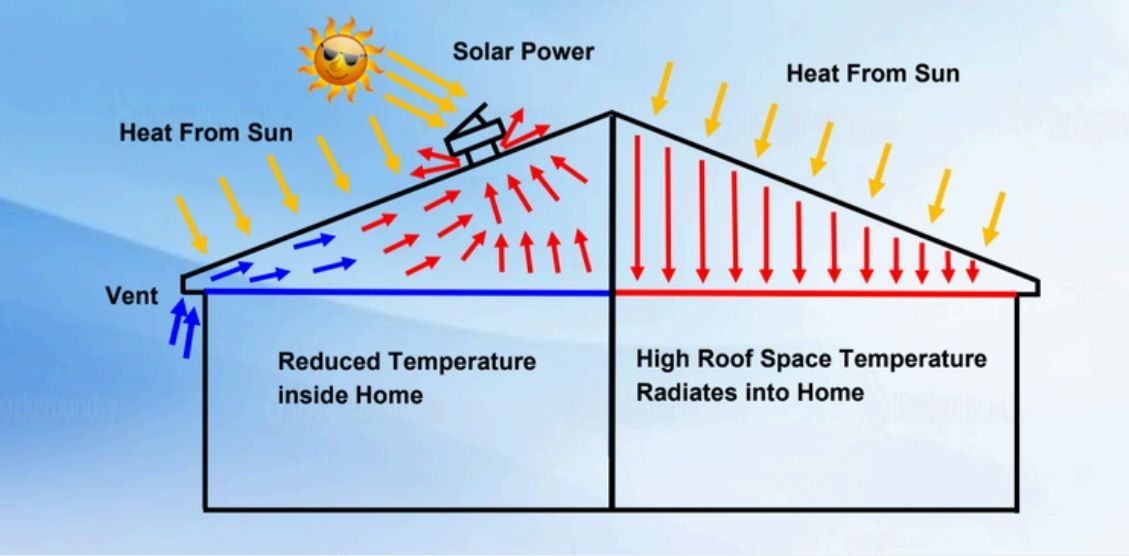
Poor ventilation allows heat to build up in the roof space, increasing expansion and contraction cycles. The hotter the roof cavity becomes, the greater the stress placed on the roof system.
Proper ventilation helps regulate temperatures, reduce thermal stress, and minimise the conditions that lead to excessive noise — particularly in metal and steel-framed homes.
Why newer roofs can sometimes be noisier
It’s a common assumption that roof noise only occurs in older homes, but new roofs can also be noisy if correct movement allowances aren’t built into the installation.
Rushed installations, cost-cutting, or lack of experience can result in tight fixings or rigid detailing that doesn’t accommodate thermal movement, causing noise soon after completion.
When to have roof noise checked
If roof noise is:
- Sudden or severe
- Increasing over time
- Affecting comfort or sleep
- Accompanied by visible movement
It’s worth having the roof assessed. Early inspection often allows for simple adjustments rather than major work later.
Final thoughts
Not all roof noise is a problem — but not all roof noise should be ignored.
Metal roofing systems rely on correct installation, movement allowance, insulation, and ventilation to perform quietly and efficiently. When these elements work together, noise is usually minimal and manageable.
If you’re unsure whether what you’re hearing is normal, a professional assessment can provide clarity and peace of mind.